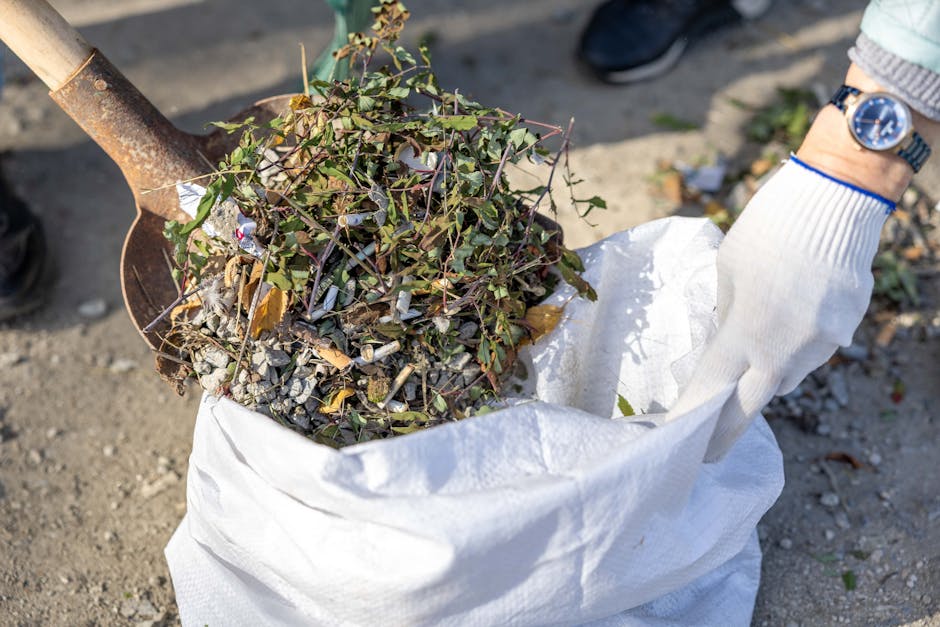
Garden waste overload? Wimbledon green waste removal help
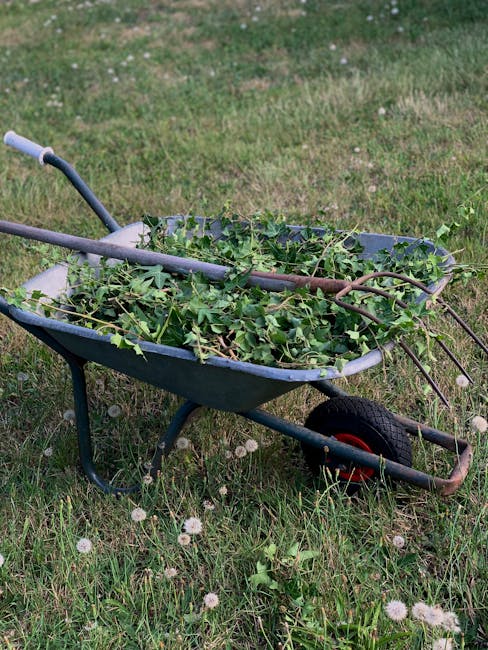
If your patio, border, or whole back garden has tipped from "a bit untidy" into full-blown overload, you are not alone. After a pruning spree, a hedge cut, or one of those weekends where you finally tackle the lot, green waste can pile up faster than you expect. Branches snag together, wet leaves go slimy, and suddenly the tidy-up feels bigger than the actual gardening. That is where Wimbledon green waste removal help becomes genuinely useful: not as a luxury, but as a practical way to get your outdoor space back under control without spending the whole week at it.
This guide explains what green waste removal involves, when it makes sense, how the process usually works, and what to look out for in Wimbledon. It also covers common mistakes, compliance points, and a few realistic tips that make the whole job easier. If you are staring at a mound of hedge trimmings and wondering, "Right then, where do I even start?", you are in the right place.
Why garden waste overload matters
Garden waste sounds harmless until it starts affecting the way you use your home. A heap of cuttings can block paths, attract pests, trap moisture against fences, and make even a small garden feel cramped. In Wimbledon, where outdoor space is often precious, letting waste sit around for too long can quickly turn a manageable tidy-up into a weekend you keep postponing. And yes, the "I'll sort it next Saturday" plan does have a habit of drifting into next month.
There is also a practical side. Wet green waste is heavier than it looks, thorny material can be awkward to handle, and some garden debris is not as straightforward as it seems. Mixed loads may include soil, plant pots, broken trellis, old sleepers, or the odd bit of packaging from a landscaping project. Once the pile stops being just grass cuttings, disposal becomes more time-consuming and more likely to go wrong.
That matters because the goal is not just to get rid of rubbish. It is to clear space safely, avoid unnecessary trips, and make sure the material is handled in a sensible way. Good green waste removal is about restoring order with as little fuss as possible.
Practical takeaway: if your garden waste is affecting access, creating safety issues, or simply becoming too much to manage in one go, that is usually the point where professional help starts to make sense.
How Wimbledon green waste removal works
At its simplest, green waste removal is the collection and disposal of organic garden material such as grass cuttings, hedge trimmings, leaves, weeds, small branches, and plant-based debris. A proper clearance service will usually arrive, assess the load, load it efficiently, and then transport it away for appropriate handling. In many cases, garden clearance can be arranged alongside other waste removal if the job includes mixed outdoor clutter, old pots, or broken items from a shed or patio area. If the garden has become a catch-all for more than just foliage, you may find garden clearance in Wimbledon is the cleaner way to tackle it.
The process is usually straightforward. You point out what needs removing, the team separates what can be loaded, and the waste is taken away without you needing to hire a skip, organise permits, or spend your evening wrestling thorny branches into bin bags. To be fair, that alone is enough to win a lot of people over.
Some jobs are simple, such as a bagged pile of hedge clippings after a weekend cutback. Others are more involved: overgrown borders, wet compost, tree prunings, or a full seasonal clear-out after months of growth. A good service should adapt to the size of the job rather than forcing you into a one-size-fits-all approach.
If you are dealing with a broader household clean-up at the same time, the work may sit alongside general waste removal or even broader property clearance. That is often handy when the garden is only one part of the problem.
Key benefits and practical advantages
The main benefit is obvious: you get your space back. But there are several quieter advantages that matter just as much.
- Less lifting and sorting for you: green waste is bulky, awkward, and often wetter than expected.
- Faster turnaround: a clearance team can often deal with in an hour what might take you an entire day.
- Cleaner outdoor spaces: paths, patios, and side access routes become usable again.
- Better presentation: useful if you are preparing a home for sale, a tenancy change, or a family gathering.
- Reduced stress: fewer trips to the tip, fewer bags to store, fewer "I'll sort it later" regrets.
There is also a hidden benefit: once the waste is gone, it becomes easier to see the garden properly. You notice the fence that needs repair, the bed that needs replanting, or the space that could actually be useful again. It is funny how much a garden can feel smaller when half of it is hidden under cuttings.
For households planning a full spring tidy, a one-off clearance can be part of a bigger reset. If you are already sorting out indoor clutter, pairing it with home clearance can save time and give the whole property a fresher feel. That is often more efficient than tackling each area separately.
Who this is for and when it makes sense
This kind of help suits more people than you might think. It is not only for major landscaping projects or neglected gardens. In fact, many calls come from ordinary situations that have just got a bit out of hand.
- Homeowners after a big prune, cutback, or garden redesign
- Landlords preparing outside space between tenancies
- Families clearing old shrubs, compost, and broken garden bits
- People with limited time, mobility, or lifting ability
- Gardeners who want the waste removed quickly after the job is done
- Anyone whose driveway or side return is blocked by organic debris
It also makes sense when the waste is too heavy or too awkward to handle in your regular wheelie bin setup. A few sacks of leaves may be manageable. A full load of damp hedge trimmings, not so much. Wet green waste can become surprisingly dense, and once it starts to smell earthy and sour, you will want it gone sooner rather than later.
There are times when specialist help is a better fit than DIY. If your garden job includes old fencing, timber, soil, or rubble from landscaping, then the material may need to be separated rather than treated as simple green waste. In those cases, a broader service such as builders waste clearance may be more appropriate, or at least worth discussing before you book anything.
Step-by-step guidance
If you want the process to run smoothly, a little preparation goes a long way. You do not need to overthink it, but a simple plan helps.
- Walk the garden first. Look at what is actually there. Separate green waste from anything else you want removed.
- Group similar items together. Put branches in one area, leaves in another, and any mixed debris apart.
- Check for non-green material. Remove plant pots, broken plastic, metal plant supports, or any household rubbish.
- Make access easy. Clear the route from the garden to the front or loading point if you can.
- Flag awkward items. Tell the team about thorny branches, heavy soil bags, or items that may need extra care.
- Choose a suitable clearance window. If it has rained, expect the load to be heavier and messier. A dry afternoon can make a surprising difference.
- Ask about handling and recycling. Responsible firms should explain how they deal with the material and what happens next.
Here is a small but useful detail: if you have packed waste into bags, do not overfill them. It sounds obvious, but overstuffed sacks split at the worst moment, usually just as you are trying to be clever and efficient. We have all been there, more or less.
If the job is part of a larger declutter, it may be worth combining it with house clearance or garage clearance to avoid paying for two separate visits where one would do. That sort of joined-up thinking tends to save both time and hassle.
Expert tips for better results
In practice, the best garden clearances tend to be the ones that are prepared just enough, but not fussed over. A few sensible habits make the whole job easier.
1. Separate green waste from everything else
It sounds basic, but it matters. Organic waste is often handled differently from mixed rubbish, and muddy bin bags with a random mix of items slow everything down.
2. Keep bulky branches aligned
Long branches or hedge trimmings load better when they are stacked in the same direction. It is a small thing, but it can reduce the time the team spends wrestling with the pile.
3. Avoid mixing in soil unless necessary
Soil is heavy. Very heavy. A bag of soil is not the same job as a bag of leaves, and if the pile includes a lot of earth, it is worth mentioning upfront.
4. Book sooner after cutting
Fresh green waste is easier to handle before it compacts and starts to rot. Leave it for two weeks in a damp corner and, well, it gets a bit character-building.
5. Use the opportunity to reset the space
Once the waste is gone, tidy the area beneath it. Sweep the patio, check the fence line, and look at what the garden actually needs next. That way the clear-out has a proper end point, not just an empty patch of regret.
Common mistakes to avoid
Most problems with green waste removal are avoidable. The same few mistakes crop up again and again.
- Leaving waste mixed together: green waste, general rubbish, and broken hard items should not all end up in one heap.
- Underestimating volume: clipped branches and leaves take up more room than people expect.
- Ignoring access issues: a narrow side return or awkward gate can affect how the job is loaded.
- Forgetting wet weight: after rain, the same pile becomes much heavier and harder to move.
- Not checking what is included: if there are old garden ornaments, timber, or soil bags, mention them before the work starts.
Another common mistake is assuming any waste can be left out for collection in the same way as normal household rubbish. Garden waste rules and collection arrangements can vary by property and service type, so it is safer to confirm what is actually being taken. That little conversation upfront can save a lot of fiddly sorting later.
Tools, resources and recommendations
You do not need a shed full of specialist kit to prepare for a clearance, but a few basic items help.
- Heavy-duty garden sacks or reusable containers for loose cuttings
- Gloves with decent grip for handling thorny material
- Secateurs or loppers for shortening awkward branches
- A broom or leaf rake for gathering small debris
- Tarpaulin or sheet for moving cut material across a lawn or path
For people who want to keep on top of things after a clearance, a simple routine helps more than an ambitious plan. Trim little and often, compost what you can if you have the space, and avoid letting waste build up in hidden corners. It sounds obvious, but the hidden corner is where all the trouble usually starts.
If you are comparing service options, it is useful to look beyond the headline promise. Consider access, speed, what the team can handle, how they deal with mixed materials, and whether they explain disposal clearly. A trustworthy provider should make the process feel calm, not mysterious.
For broader background on the company, you may also want to review the about us page and the recycling and sustainability information. Those pages can give you a clearer sense of how the business works and how it approaches responsible disposal.
Law, compliance, standards and best practice
For most householders, the key point is simple: waste should be handled responsibly, and you should know who is taking it. In the UK, it is normal to expect the collector to manage transport and disposal in line with applicable waste handling duties. You do not need to become an expert in the detail, but you should feel comfortable asking what happens to the waste once it leaves your property.
Best practice usually includes:
- clear separation of garden waste from general rubbish where possible
- safe manual handling for heavy or awkward items
- appropriate transport and disposal routes
- respect for local access, neighbours, and property boundaries
- careful handling of anything sharp, contaminated, or unusually heavy
If a company is transparent about its processes, safety arrangements, and payment expectations, that is a good sign. The same goes for clear terms. You can review the company's terms and conditions, health and safety policy, and insurance and safety details if you want a fuller picture before booking.
Privacy and payment practices matter too, especially when you are sharing contact details or paying online. If that is on your mind, the privacy policy and payment and security page are sensible places to check.
Options, methods and comparison table
There are a few ways people deal with garden waste overload. Some are fine for very small jobs. Others are better when the pile grows arms and legs.
| Method | Best for | Pros | Limitations |
|---|---|---|---|
| Garden bin or council collection | Small, regular amounts of green waste | Simple for routine upkeep | Can be slow, limited in volume, and not ideal for a sudden overload |
| DIY tip runs | Households with a vehicle and time | Direct control over what leaves the property | Repeated loading, fuel, queues, and lifting heavy bags can become a pain |
| Skip hire | Larger mixed garden projects | Useful for ongoing work over several days | May be more than you need for a one-day tidy-up; space and permit issues can arise |
| Professional green waste removal | Fast clearances, bulky cuttings, awkward access, or no time | Quick, practical, and usually the least stressful option | Needs clear communication about what is included |
For many Wimbledon households, professional removal is the sweet spot when the garden has become too much for a bin and too inconvenient for repeated trips. If the clutter extends beyond the garden into storage areas or outdoor furniture, services like furniture disposal or furniture clearance may also be worth considering. Not every load is just twigs and leaves.
Case study or real-world example
Picture a typical Wimbledon Saturday. A homeowner trims back a hedge that has been creeping over the path for months, clears some ivy from the fence, and rakes up a heavy layer of leaves after a damp week. By early afternoon there is a pile of green waste, a few broken canes, a couple of old pots, and a side path that is now impossible to walk through without stepping around everything.
At first it seems manageable. The bags start to fill. Then the branches do that thing where they look short until you try to bundle them. By the time the sun is dropping, the garden looks worse than when the job began, only now the person is tired and slightly cross with the whole situation. Fair enough, really.
In that kind of scenario, green waste removal changes the feel of the day. Instead of making several trips, the waste is cleared in one go, the path is opened up again, and the homeowner can actually enjoy the result of their pruning instead of staring at the leftovers. It is a small win, but a very real one. The garden feels lighter. The air does too, somehow.
Practical checklist
Before your collection, run through this quick checklist.
- Have I separated green waste from general rubbish?
- Are there any heavy items such as soil, rubble, or timber mixed in?
- Is access clear from the garden to the loading point?
- Have I flagged thorny, awkward, or oversized items?
- Do I know whether the service can take everything I want removed?
- Have I checked the provider's terms, safety, and payment information?
- Is the waste dry enough to handle easily, or should I expect it to be heavier after rain?
- Do I want to combine this with another clearance to save time?
If you can tick most of those off, you are in good shape. Nothing fancy, just sensible prep. That usually works best.
Conclusion
Garden waste overload is one of those jobs that looks minor from a distance and wildly bigger when you are standing next to it with a half-full bag and muddy gloves. The good news is that it does not need to turn into a saga. With the right help, the mess can be cleared quickly, safely, and without dragging the problem out across several weekends.
Wimbledon green waste removal help is most valuable when you want a clean finish, a clear garden, and a straightforward way to deal with bulky organic waste. Whether you are dealing with a seasonal cutback, a full garden refresh, or a pile of leftovers from a bigger project, the key is to handle it early and choose a method that fits the job rather than fighting it. That tends to be the smarter move, every time.
Get a free quote today and see how much you can save.
And once the last bag is gone, you get that lovely little pause where the garden feels open again. Quiet, tidy, ready. That is worth something.
Frequently Asked Questions
What counts as green waste in garden clearance?
Green waste usually includes grass cuttings, hedge trimmings, leaves, weeds, small branches, prunings, and other plant-based material. If you are unsure about soil, timber, or mixed debris, it is best to ask before booking.
Can I mix garden waste with other rubbish?
Usually, no, or at least not without checking first. Mixed loads can be handled differently from pure green waste, and adding household rubbish, plastic, or rubble can change how the job needs to be processed.
Is Wimbledon green waste removal suitable for a small garden?
Yes. In fact, small gardens can still create a surprising amount of waste after a pruning session or seasonal tidy-up. A modest pile can become awkward very quickly if you do not have a vehicle or time for tip runs.
What if the garden waste is wet?
Wet waste is heavier and often messier, but it can still be removed. It is worth mentioning if the material has been sitting out after rain, because that affects how it is handled and loaded.
Do I need to bag everything before collection?
Not always. Some material can be loaded loose, while other items may be easier to move in sacks or bundles. A light bit of preparation helps, but don't overdo it. Sometimes a neat pile is enough.
How do I know if I need garden clearance rather than standard waste removal?
If the main issue is outdoor organic material, garden clearance is usually the better fit. If the load includes general rubbish, old furniture, or other mixed items, then broader waste removal may be more suitable.
Can you remove old pots, broken trellis, or garden furniture too?
Often yes, but these are not green waste in the strict sense. They may need separate handling, especially if they include plastic, metal, timber, or mixed materials. It is sensible to mention them in advance.
How quickly can garden waste usually be removed?
That depends on the size of the job, access, and scheduling. Smaller clearances can be straightforward, while larger or more mixed loads may need a bit more planning. The key is to be clear about the volume from the start.
Is there anything I should not put in a green waste pile?
Yes. Avoid mixing in household rubbish, batteries, chemicals, broken glass, or sharp metal. If something feels out of place in a garden pile, it probably is.
Why should I use a professional service instead of doing it myself?
Because it saves time, heavy lifting, and repeat trips. It also makes life easier when the waste is bulky, wet, awkward, or simply too much for your own bin space. Sometimes the simplest option is the one with the least drama.
Can green waste removal be combined with other clearance jobs?
Absolutely, and that can be very efficient. If you are also sorting a loft, garage, house, or flat, combining services can reduce the stop-start feeling of clearing the property one corner at a time.
What should I ask before booking?
Ask what is included, whether mixed materials are accepted, how access affects the job, and how the waste is handled after collection. Clear answers upfront usually mean a smoother day on site.